Elephant: A Bold Color Font for Animal-Inspired Projects
When a design calls for something that feels both playful and powerful, typography can be a challenge. You need a typeface that carries personality without sacrificing clarity, one that makes an immediate visual impact. That's where a creative font like Elephant comes into the conversation. It’s not just another set of letters; it's a design asset built to evoke a specific mood and energy, drawing its inspiration directly from the natural world.
More Than a Typeface: The Personality of Elephant
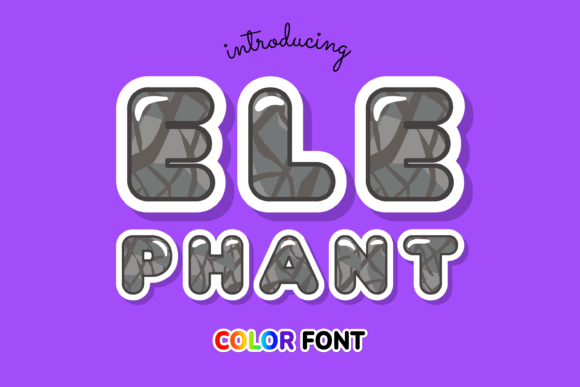
Elephant is an incredibly cool color font, a premium font designed in the style of an animal. The moment you see it, you understand the concept. The letterforms are constructed with a sense of weight, texture, and organic shape that recalls the magnificent creature it’s named for. This isn't a simple serif font or a clean sans serif font; it's a display font with a distinct character. The inherent texture and form give it a rugged yet friendly personality, making it a fantastic choice for projects that need to stand out with a touch of the wild.
As an Opentype-SVG color font, Elephant arrives with its colors, textures, and shading built directly into the font file. This is a significant advantage for designers and creators. You don't need to spend time layering effects or applying textures in your design software. Simply type your text, and the full, vibrant design appears instantly. This feature makes it an exceptionally efficient tool for creating eye-catching social media graphics, unique logo designs, or memorable branding elements. The visual complexity is handled by the font itself, freeing you up to focus on layout and composition.
Practical Applications: Where Elephant Truly Shines
The strength of a creative font like Elephant lies in its versatility across specific project types. It’s a typeface that understands its role and performs it exceptionally well. For entrepreneurs and small business owners, especially those in niche markets, this font can be a cornerstone of a memorable brand identity. Think of a children’s book publisher, a pet grooming service, a zoo’s marketing materials, or a sustainable brand focused on wildlife conservation. Using Elephant in their logo design or on packaging immediately communicates a playful, approachable, and nature-oriented message.
For content creators, bloggers, and marketers, this font is a secret weapon for engagement. Imagine a blog post title about a safari adventure, a YouTube thumbnail for a nature documentary, or an Instagram graphic promoting an outdoor event. Elephant grabs attention in a crowded digital space. Its bold, illustrative quality ensures your message isn't just read, but felt. It works beautifully for large headlines, pull quotes, and short, impactful statements where you want to inject personality and energy into your editorial design.
Pairing Elephant with Other Fonts
A display font as distinctive as Elephant needs a supporting cast. The key to a successful font pairing is contrast. Because Elephant has a strong, textured, and decorative personality, it pairs best with a clean, simple, and highly legible body font. A neutral sans serif font is often the perfect companion. Think of fonts like Lato, Montserrat, or Open Sans for your paragraphs and smaller text. This creates a clear visual hierarchy: Elephant commands attention for your headlines, while the clean sans serif ensures your core message is easy to read. Avoid pairing it with other script fonts or highly decorative typefaces, as this will create visual chaos and undermine readability.
A Designer's Guide to Using Elephant Effectively
Getting the most out of a premium font like Elephant involves more than just installation. The first step is ensuring it’s the right fit for your project. Evaluate the tone of your content. Is it serious and corporate, or is it creative and fun? Elephant excels in the latter. It’s an asset for projects that benefit from a strong, expressive visual voice. Before committing, test it with your actual text. Type out the key headlines or phrases you plan to use. This helps you see how the letterforms interact and ensures the font’s personality aligns with your message.
Readability is a crucial consideration. While Elephant is fantastic for display purposes, it’s not designed for long-form body text. Its intricate details and bold character are optimized for impact at larger sizes. Use it for headings, titles, logos, and short calls to action. For any text that needs to be read quickly and comfortably—like website paragraphs, product descriptions, or lengthy captions—always revert to a simpler, more traditional typeface. This thoughtful application is what separates amateur design from professional work.
Finally, a note on compatibility. Elephant is delivered as an Opentype-SVG font, and its files are compatible with leading design software like PhotoShop, Illustrator, Silhouette, and Inkscape. This makes it a flexible tool for digital and print projects alike. However, it’s important to be aware of its limitations; the OTF and/or TTF files are not compatible with Cricut machines. For crafters using that platform, you would need to work with an SVG cut file of the letters instead. For a deeper dive into working with this style of font, checking a comprehensive guide on modern typography and color fonts is a worthwhile step to ensure a smooth creative process.
In the end, Elephant is a specialized and powerful design asset. It offers a unique blend of personality and modern font technology, allowing you to create stunning visuals with less effort. For the right project, it’s not just a font choice—it’s a creative decision that can elevate your entire design.