Scotch: A Cool Color Font for Modern Design
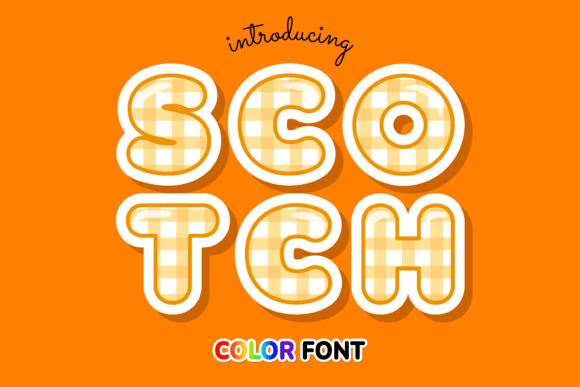
Finding a typeface that feels both distinctive and versatile is a common challenge. You want something with personality that doesn't overwhelm your message. Scotch enters the conversation as a color font designed to make a statement without shouting. It’s an Opentype-SVG font, meaning it carries its own color and texture directly within the letterforms. This isn't just another display font; it's a design asset built for immediate visual impact.
Think of Scotch as the cool, confident friend in your font library. Its style likely draws from modern typography trends, blending clean lines with a textured, almost handcrafted aesthetic. The "cool" factor comes from this balance—it feels current and polished, yet approachable. It’s a creative font that avoids looking generic or overly technical. For a designer or small business owner, this means you can inject personality into a project quickly. Whether you’re crafting a logo design for a boutique brand, styling social media graphics for a blogger, or designing packaging design for a new product, Scotch provides a foundation of style that’s ready to work.
Where Scotch Truly Shines: Practical Applications
The real test of any premium font is how it performs in the wild. Scotch excels in projects where you need to capture attention and convey a specific mood. Its textured, color-filled nature makes it a standout choice for headlines, titles, and short, impactful statements. Imagine it on a website hero section, a magazine cover, or a bold poster. The color element means it can complement your brand palette directly, reducing the need for additional design work.
For brand identity, Scotch can be a powerful tool. A handwritten font or script font might feel too casual for a professional service, while a standard sans serif font might lack warmth. Scotch sits in a sweet spot. It’s ideal for logos, business cards, and signage for businesses like coffee shops, creative studios, boutiques, or tech startups that want to appear innovative yet human. In editorial design, it can define the visual tone of a magazine spread or a book cover, setting the stage for the content inside.
Don’t overlook its potential in digital spaces. As a color font, it can make web design elements like buttons, headers, and promotional banners pop. For social media graphics, it’s a secret weapon. Instagram stories, Pinterest pins, and YouTube thumbnails demand instant readability and flair—Scotch delivers both. Crafters and hobbyists will also appreciate its versatility for custom designs in projects like wedding invitations, personalized gifts, or DIY crafts, where a lovely, unique touch is paramount.
Working With Scotch: A Designer's Practical Guide
Choosing a font like Scotch is just the first step. Using it effectively requires a bit of strategy. First, consider readability. While its textured style is engaging, it’s best suited for larger text sizes. For body copy or long paragraphs, pair it with a clean, highly readable serif font or sans serif font. This creates a clear visual hierarchy: Scotch commands attention at the top, while the supporting type does the heavy lifting of information delivery.
Testing font pairings is crucial. A simple, geometric sans serif like Montserrat or a classic serif like Lora can ground Scotch’s personality. Avoid pairing it with other highly decorative or textured fonts, as this can create visual clutter. Instead, let Scotch be the star. Review all the included styles and weights in the package to understand its full range. Sometimes, a lighter weight or an alternate character can offer just the right nuance for your project.
A critical note on compatibility: Scotch is an Opentype-SVG color font. This means its files (OTF and/or TTF) are not compatible with Cricut machines. It works seamlessly with professional design software like PhotoShop, Illustrator, Silhouette, and Inkscape. Always check the licensing terms for commercial use if you plan to use it in client work, products for sale, or large-scale marketing campaigns. Understanding these technical details ensures your design assets work for you, not against you.
Ultimately, Scotch is more than just a typeface; it’s a tool for building recognition and engagement. Its strength lies in its ability to make a brand feel contemporary and thoughtful. By applying it strategically—where its style supports your message and its technical requirements are met—you can create cohesive, professional designs that resonate with your audience. It’s a valuable addition to any creative’s toolkit, offering a blend of cool aesthetics and practical utility for a wide range of projects.