Wild Flowers: A Fresh Approach to Botanical Typography
There are moments in design where text needs to do more than just convey a message; it needs to evoke a feeling. Wild Flowers is a typeface built for exactly those moments. It is not merely a set of characters; it is an incredibly cool color font that brings a fresh botanical accent to any project. If you have ever struggled to find a typeface that feels organic, artistic, and vibrant without looking cluttered, this might be the missing piece in your creative toolkit. It strikes a unique balance between nature-inspired aesthetics and modern digital design, making it a standout choice for anyone looking to add a lovely touch to their work.
The Visual Appeal of a Color Font
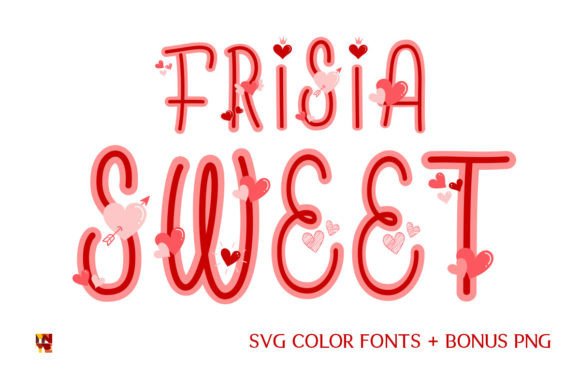
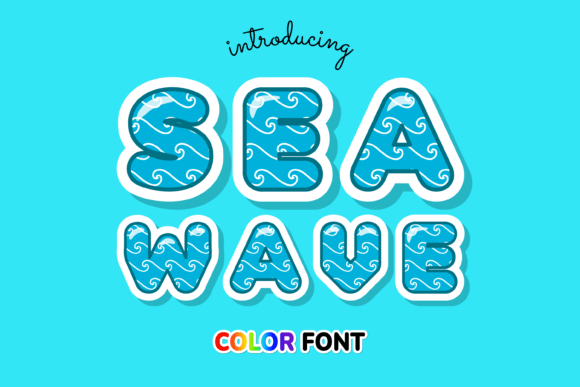
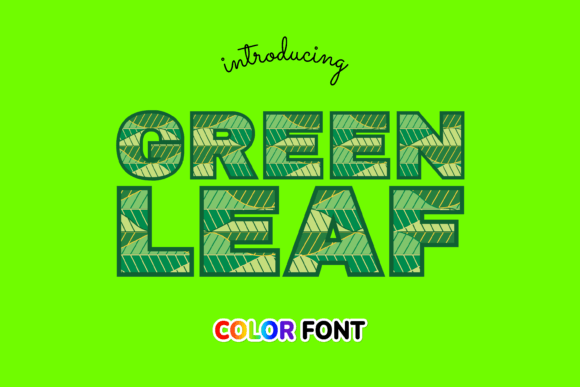
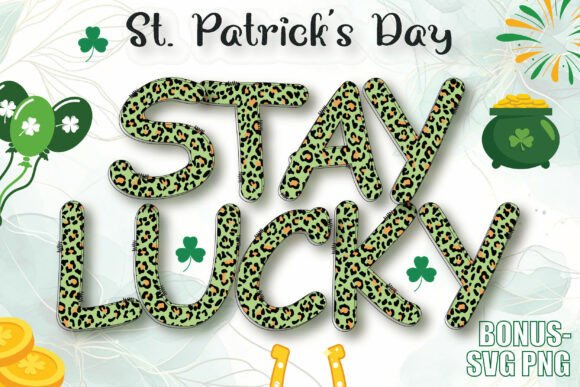
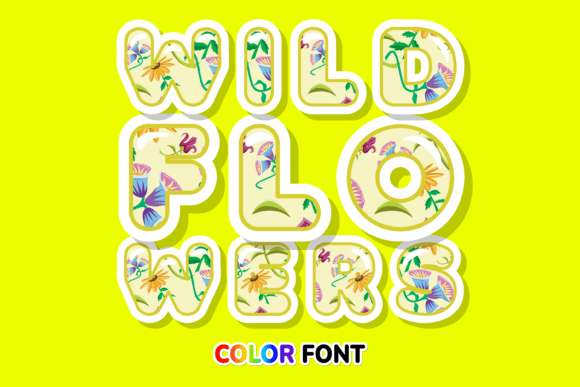
What sets Wild Flowers apart from standard typography is its implementation as an Opentype-SVG color font. Unlike traditional fonts that render in a single flat color, this typeface contains high-fidelity vector data that allows it to display multi-colored textures and gradients directly within the text. You will notice intricate details in the letterforms—perhaps petals, leaves, or watercolor washes—that give the font a three-dimensional, hand-painted quality. This isn't just a display font; it is a piece of vector art that stands on its own.
The personality of Wild Flowers is undeniably fresh. It avoids the heavy, gothic look of traditional serif fonts and the stark minimalism of geometric sans serif fonts. Instead, it leans into a handwritten font style that feels personal and approachable. It captures the essence of nature—growth, color, and organic movement. When you use this creative font, you are instantly injecting a sense of warmth and artistic flair into your layout. It is the kind of premium font that immediately elevates the perceived value of a design simply because it looks complex and bespoke.
Strategic Applications: Where Wild Flowers Thrives
Understanding where to deploy a color font is key to its success. Because of its intricate detailing, Wild Flowers is best used for headlines, logos, and feature text rather than long-form body copy. Its primary strength lies in its ability to grab attention instantly.
Branding and Identity
For businesses in the lifestyle, wellness, beauty, or floral industries, this font is a game-changer for brand identity. Imagine using Wild Flowers for a boutique wedding planner’s logo or the masthead of a sustainable gardening blog. It communicates values of creativity, care, and natural beauty without needing additional illustration. It helps in logo design by providing an instant visual hook that is memorable and distinct.
Digital Presence and Social Media
In the realm of web design and social media graphics, standing out in a crowded feed is difficult. Wild Flowers offers a solution. It works exceptionally well for Instagram story headers, Pinterest pins, and website hero sections. The colors within the font catch the eye, increasing the likelihood of user engagement. It is particularly effective for content creators who need to maintain a consistent, aesthetic feed that feels curated and professional.
Publishing and Editorial Design
When it comes to editorial design, such as magazine covers or book chapter headings, Wild Flowers adds a layer of sophistication. It pairs beautifully with clean, neutral layouts. For publishers, using this typeface can signal a shift in tone—moving from standard information delivery to a more immersive, storytelling experience. It is also a fantastic asset for packaging design, especially for artisanal products, cosmetics, or food items where shelf appeal is paramount.
Technical Reality: Compatibility and Usage
While the aesthetic appeal of Wild Flowers is universal, the technical application requires specific awareness. As an Opentype-SVG product, this font behaves differently than standard TTF or OTF files.
Compatibility Check:
It is crucial to note that this font is compatible with PhotoShop, Illustrator, Silhouette, and Inkscape. These programs support the rich color data embedded in the font file. However, there is a significant limitation to keep in mind: the OTF and TTF files of this product are not compatible with Cricut. If you are a crafter using a Cricut machine to cut vinyl or paper, this specific font will not render correctly for cutting paths, as the machine software cannot interpret the SVG color layers in the same way a design program can.
For those using Silhouette machines or standard design software, the font renders seamlessly. You simply select the type tool, choose Wild Flowers, and type. The colors appear automatically. This makes it an incredibly efficient design asset—you get the look of custom hand-lettering or illustration without the hours of manual labor.
Design Strategy: Pairing and Hierarchy
Using a display font like Wild Flowers requires a strategic approach to visual hierarchy. Because the font is visually heavy and detailed, it dominates the composition. It is not a script font meant for flowing sentences; it is a statement piece.
Font Pairing
The most effective way to use Wild Flowers is to pair it with a clean, legible typeface. A simple sans serif font works best for body text, allowing the botanical headlines to shine without competing for attention. For example, if you are designing a flyer, use Wild Flowers for the main event title to evoke emotion and creativity, and use a font like Montserrat or Open Sans for the date, time, and location details. This contrast ensures readability while maintaining a high-end aesthetic.
Testing and Evaluation
Before finalizing your design, always test the font in the specific context it will be seen. Because it is a color font, it can look different on various screens or when printed on different materials. Ensure the background color of your design complements the botanical colors within the font. A white or very light neutral background usually allows the details of Wild Flowers to pop, whereas a busy patterned background might obscure the legibility of the text.
Commercial Licensing and Professional Use
For entrepreneurs, marketers, and small business owners, understanding the licensing of commercial fonts is non-negotiable. Wild Flowers is a premium asset, and as such, it typically comes with a license that covers commercial use. This means you can legally use it for client work, merchandise, and digital products sold for profit.
However, always review the specific license agreement included with your purchase. Knowing the terms ensures you are using the typeface legally across all your platforms, from your website to your printed merchandise. Investing in a high-quality font like this also signals professionalism to your audience; it shows that you value quality design and are willing to invest in the tools that make your brand look its best.
Conclusion
Wild Flowers is more than just a font; it is a design solution for anyone looking to bridge the gap between digital precision and natural beauty. Whether you are a hobbyist making cards for friends or a professional designer crafting a brand identity for a botanical client, this typeface offers a fresh, vibrant, and incredibly cool way to communicate. By understanding its technical strengths and pairing it wisely, you can transform ordinary text into an extraordinary visual experience.