Taffy: A Sweet Pop of Color for Modern Designers
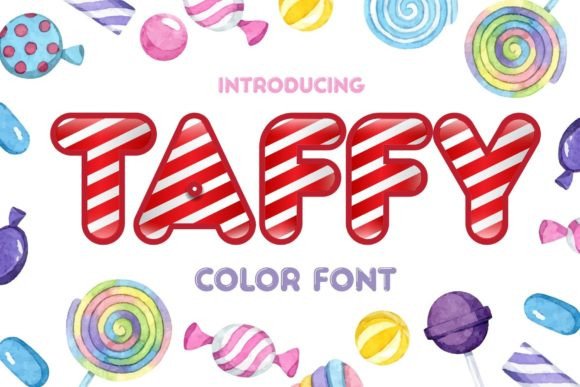
In the crowded landscape of modern typography, finding a typeface that genuinely captures attention without shouting is a rare win. Enter Taffy, a color font that brings a burst of energy to any project it touches. If you are looking to move away from the monotony of standard black text and inject some personality into your work, this is a typeface worth exploring. It isn’t just a font; it is a visual statement. Designed to be stylish, cute, and undeniably fun, Taffy leverages the power of OpenType-SVG technology to render vibrant colors directly within the letterforms. This means you get a polished, multi-dimensional look right out of the box, without needing to layer styles or apply complex gradient effects manually.
The visual character of Taffy is defined by its brightness and approachable charm. It avoids the sharp, aggressive edges of geometric sans serifs, opting instead for a softer, more inviting aesthetic. This makes it an instant favorite for projects targeting audiences that appreciate playfulness and creativity. However, it is important to understand the technical nature of this design asset. Taffy is a premium font delivered in the OpenType-SVG format. This is a crucial distinction for your workflow. It is fully compatible with professional creative software like Adobe Photoshop, Adobe Illustrator, Inkscape, and Silhouette Studio. These programs support the advanced rendering required to display the font's color data. However, if you are a crafter using a Cricut machine, you will need to be aware that standard OTF or TTF files of this specific color font will not cut correctly. Always check the Ultimate Font Guide for detailed instructions on how to utilize these specific file types to ensure your designs come out perfectly.
Where Taffy Shines: Practical Applications
The versatility of a display font like Taffy lies in its ability to anchor a visual hierarchy. Because it is so distinct, it works best where it can breathe—think headlines, titles, and subtitles rather than long-form body copy. For logo design, Taffy offers a fresh alternative to the standard serif font or handwritten font styles that have saturated the market. It gives a brand an immediate sense of energy and modernity. Imagine a boutique bakery, a children’s entertainment channel, or a vibrant lifestyle brand using Taffy for their wordmark. It communicates that the brand is current, approachable, and confident.
Beyond logos, this creative font excels in editorial design and packaging design. If you are designing a magazine cover or a book jacket, using Taffy for the main title can instantly signal the genre and tone. It tells the reader that the content inside is likely fun, engaging, and visually driven. In the realm of packaging, particularly for consumer goods targeting younger demographics or the gift market, the bright colors and cute style of Taffy can significantly increase shelf appeal. It bridges the gap between professional typography and the playful aesthetic of a script font.
Digital spaces are where this typeface truly comes alive. For social media graphics, grabbing attention in a split second is the only metric that matters. Taffy provides the visual pop needed to stop the scroll. Whether you are creating Instagram Stories, YouTube thumbnails, or Pinterest pins, the font adds a layer of polish that stock fonts simply cannot match. It also translates well to web design when used strategically for hero section callouts or promotional banners. It adds personality to a site without compromising the technical integrity of the layout, provided you pair it with a legible sans serif font for the body text.
Design Strategy: Pairing and Professionalism
When integrating a bold typeface like Taffy into your brand identity, the concept of font pairing becomes your most valuable tool. A common mistake in design is using two competing display fonts, which results in visual chaos. Taffy has a strong personality, so it requires a grounding partner. I recommend pairing it with a clean, geometric sans serif font. The simplicity of a sans serif will highlight the intricate details and colors of Taffy without overwhelming the viewer. Alternatively, if you want a more relaxed vibe, pairing it with a simple, readable handwritten font can work, provided the handwritten style is not too ornate.
From a marketing perspective, consistency is key. When you adopt Taffy for your headers or call-to-actions, you are building a specific expectation for your audience. It suggests that your content is high-quality and visually curated. This is vital for entrepreneurs and small business owners trying to establish a professional presence. Using a generic font can sometimes make a brand feel temporary or amateurish. Investing in a high-quality typeface like Taffy signals that you take your business seriously, even if the tone is lighthearted.
Readability is always a concern with display fonts, but Taffy manages to balance style with legibility. The letterforms are distinct enough that they remain readable at larger sizes, which is exactly where they are meant to be used. However, avoid using this font for small body text or legal disclaimers. Its strength is in the headlines. By using Taffy for your H1 and H2 tags, you create a clear visual hierarchy that guides the reader's eye down the page. This improves the user experience on your website or within your digital magazine.
Final Thoughts on This Creative Asset
Ultimately, Taffy is more than just a collection of colorful vectors; it is a strategic design asset. It solves the problem of how to make a design feel fun and premium simultaneously. Whether you are a content creator looking to spice up your thumbnails, a designer working on a branding package, or a crafter creating digital invitations, this font offers a reliable way to elevate your work. It is a testament to how modern typography can evolve beyond static black and white shapes into dynamic, engaging visual elements. By understanding its technical requirements and pairing it wisely, you can ensure that Taffy becomes a staple in your creative toolkit.